VR and Immersive Experiences
Training simulations, virtual tours and complete virtual worlds such as MetaNileVerse.
Overview
Virtual and augmented reality let people practise what is hard or risky to rehearse in real life. We build training simulations, virtual tours and complete virtual worlds, from the first storyboard to the headset. Each project starts from what people should learn or experience, not from the technology.
Our research on VR training for security skills was entered in the Police Science Academy's Scientific Research Award in Sharjah and received a certificate of appreciation in 2024. That work shapes how we design scenarios for security, safety and field work. Trainees can repeat a situation until they get the response right, without real-world risk.
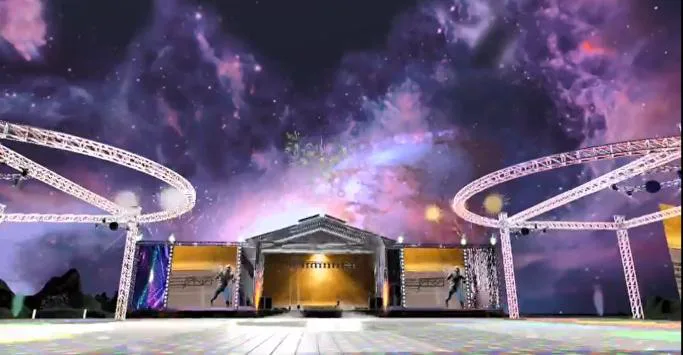
Our own virtual world, MetaNileVerse, holds a cinema, a concert stage and real-estate showrooms. We build the same kind of persistent space for events, exhibitions and sales, and deliver it on headsets or through the web. After launch we keep the content up to date.
What changes for you
Safe practice for risky work
Trainees rehearse security, safety and field scenarios without real-world risk.
Sites people can visit remotely
360° tours bring sites, museums and projects to people who cannot be there.
A venue that stays open
A persistent virtual space where you can host events, exhibitions and sales.
What we deliver
-
Training simulations
Scenario-based practice for security, safety and field work. Trainees can repeat a scenario as often as they need.
-
Virtual tours
360° tours of sites, museums and projects. Visitors explore at their own pace, on a headset or in the browser.
-
Virtual worlds
Persistent spaces for events, exhibitions and sales, like MetaNileVerse. Spaces can be updated and reused for new events.
-
Augmented reality
Information layered on the real world for maintenance and learning. Staff see instructions where the work happens.
How we work
Define the scenario
What should people learn or experience? We agree the goals and the situations to include with your experts.
Design and build
3D environments, interaction and content. You review the work at agreed points as it takes shape.
Test with users
Pilot sessions with the people who will use it. Their feedback drives the final adjustments.
Launch and support
Deployment on headsets or the web. We keep the content updated after launch.
Questions
Do we need VR headsets?
Not always. Experiences can run on headsets or through the web, and we recommend one based on the scenario and the audience.
What do you need from us to build a training scenario?
Access to the people who know the work, the procedures to be practised and reference material such as photos of the site. Your trainees then take part in the pilot sessions.
Can the content change after launch?
Yes. Scenarios and spaces can be updated after launch, and updates are part of the support we agree with you.
Other solutions
- AI Document IntelligenceOCR for Arabic and English, handwriting included, with automatic classification and data extraction.
- Secure Localized AIAI that runs inside your network to classify sensitive documents, spot unusual access and help prevent data and document leaks.
- AI AgentsAgents that handle routine work end to end, with a person approving the steps that matter.
- Digitization, Restoration and e-ArchivingRestoration of fragile and historic documents, then on-site scanning and indexing for archives of any size.
- Software, Portals and MobileWeb, cloud and mobile applications built around your workflows.
- Integration and Data MigrationConnect legacy systems and move data without losing a record.
- ConsultingDigital infrastructure and organizational development, from strategy to rollout.
- Branding and UXVisual identities and interfaces people find easy to use.
Plan your project with us
Tell us what you have and where you want to be. We will propose a scope, a timeline and a pilot.